As you search for meaningful ways to support the social development of neurodiverse children this holiday season, board games can be a powerful tool. These games are not only entertaining, but they also provide opportunities to build essential skills such as emotional regulation, communication, empathy, and perspective-taking. Choosing the right game can help your child practice these abilities in a safe, fun, and engaging environment — enhancing their confidence and interaction with others. This guide highlights carefully selected games designed to nurture social skills through play, making your festive gatherings both joyful and enriching.
| Category | Product | Price | Score |
|---|---|---|---|
| 🏆 Best for Emotional Regulation | SkillEase CHILL | $29.99 | 94/100 |
| 🎯 Best CBT Therapy Game | da Vinci's Cow | $30.99 | 91/100 |
| 💼 Most Versatile Therapy Tool | Garybank Emotions | $23.99 | 89/100 |
| ⭐ Best for Conversation Building | Therapy U Connect | $35.00 | 90/100 |
| 🚀 Best for Early Emotion Recognition | Learning Resources Feelings | $19.06 | 87/100 |
| 🔰 Best for Patience & Manners | eeBoo Tea Party | $21.98 | 88/100 |
| 💡 Best for Anger Awareness | S.T.O.R.M. Rollercoaster | $39.95 | 86/100 |
| 💰 Best Value Active Play | Educational Insights Pancake | $12.49 | 85/100 |
| 🎨 Best for Visual & Verbal Learners | Clever Fox Cards | $16.99 | 92/100 |
| 🚀 Most Engaging Conversation Starter | SUSSED Wacky What | $12.98 | 93/100 |
Our top picks were selected based on their ability to effectively support social and emotional skill development in neurodiverse children. We prioritized games that combine evidence-based therapeutic approaches with engaging play, including emotional regulation, communication, perspective taking, and cognitive behavioral strategies.
Age-appropriateness, ease of use in family or therapy settings, material quality, and overall user satisfaction were also key considerations to ensure each game provides meaningful and enjoyable learning experiences.
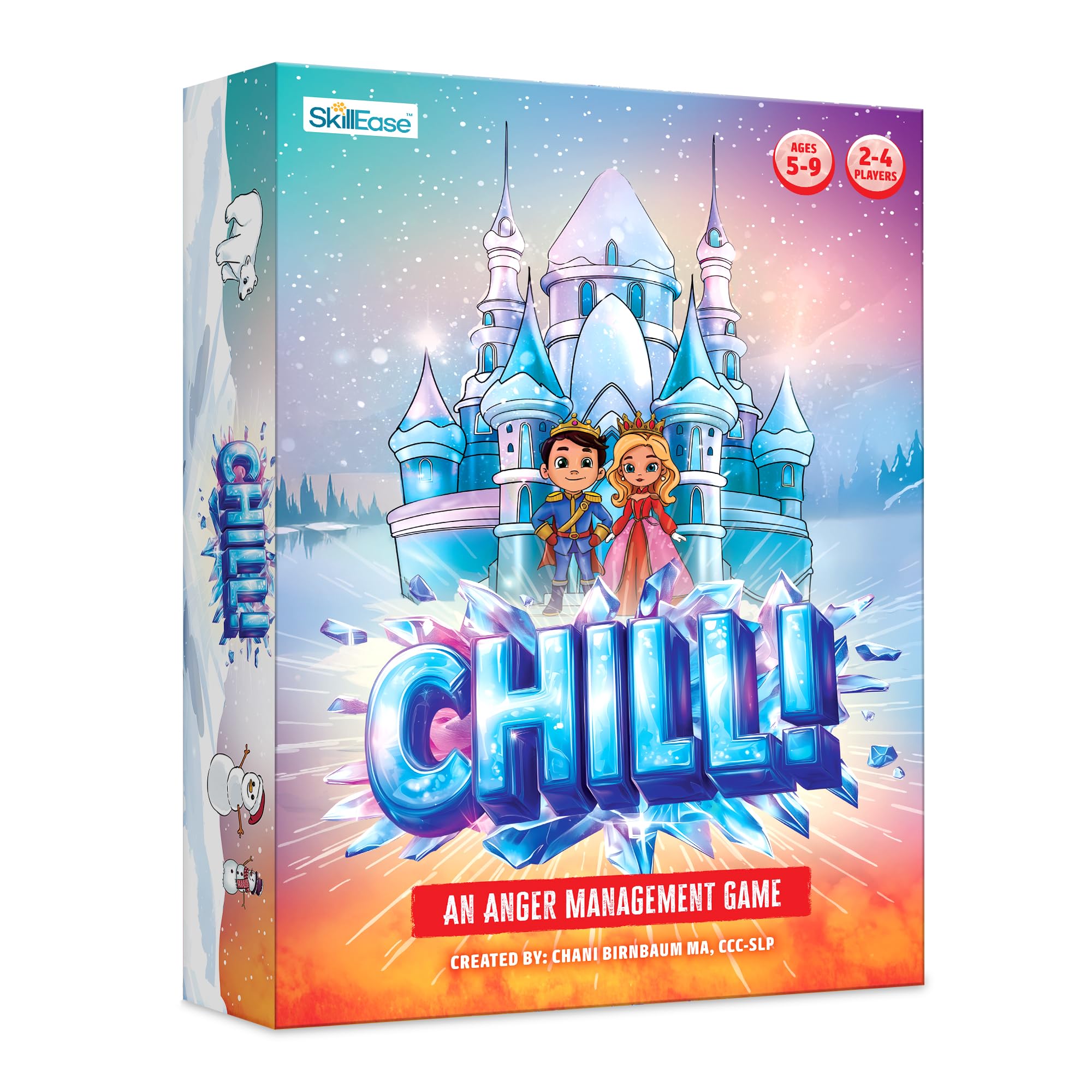
CHILL is a thoughtfully designed game created by a speech therapist and mom that mixes fun gameplay with real-life emotional learning. It’s like Candyland but with a meaningful twist—kids move along the board by sharing examples of how they manage anger or practice calming techniques.
Whether you’re a therapist, parent, or teacher, this game fits perfectly into casual family nights or structured therapy sessions. It encourages kids to recognize their emotions, build empathy, and try out coping strategies in a low-pressure, playful way. Plus, it’s easy to pick up and keeps kids engaged, making emotional growth feel less like a chore and more like a game.
People really appreciate how this game makes emotional regulation approachable and fun. Reviews often highlight the bright, inviting design and simple gameplay that appeals to kids, plus how the prompts naturally start conversations about feelings and social skills. Many mention it as a helpful tool for therapists and parents alike to teach coping and perspective-taking without it feeling like a lesson.
| Situation | How It Helps |
|---|---|
| During Therapy Sessions | Provides a structured yet playful way to practice emotional regulation and social communication skills. |
| Family Game Night | Encourages open discussions about feelings and calming techniques in a relaxed environment. |
| Classroom Social Skills Groups | Supports group learning of empathy, perspective-taking, and anger management strategies. |
| At-Home Practice | Reinforces real-life coping skills through fun, repeated play that kids will want to return to. |
The game teaches important emotional intelligence skills like recognizing anger cues, practicing self-calming strategies, and understanding others’ perspectives. It encourages verbal expression and flexible thinking, making it a practical tool for developing social and emotional learning in a way kids enjoy.
With colorful cards and a game board that feels familiar yet fresh, CHILL keeps kids interested by turning emotional regulation into a game. Kids like taking turns sharing their thoughts and hearing others while moving toward a fun goal on the board—it’s playful but meaningful.
Current Price: $29.99
Rating: 4.7 (total: 24+)
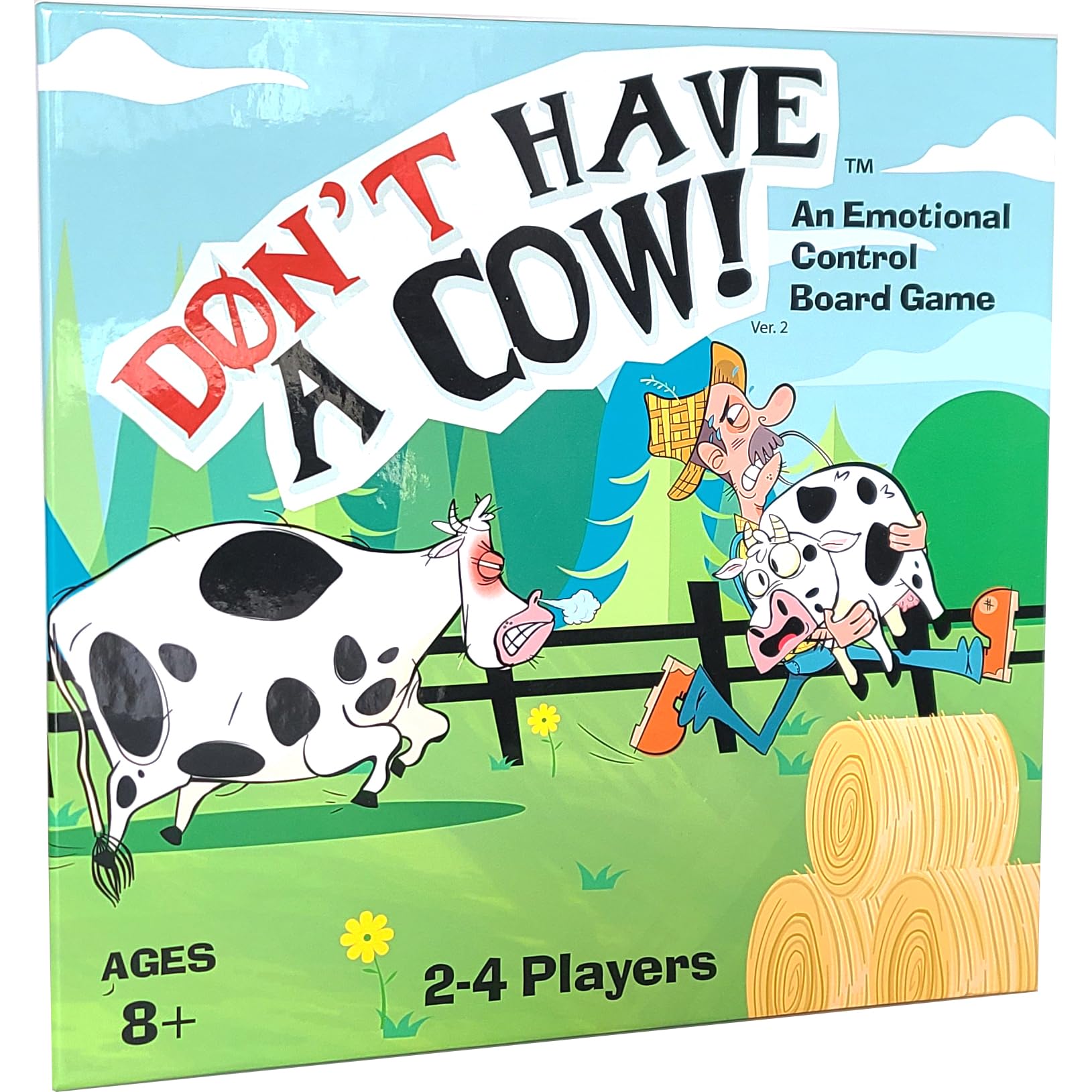
Don't Have a Cow is a clever and engaging board game that helps kids understand and work through strong emotions by following the steps of the ABCD method from cognitive behavioral therapy. Designed with input from a licensed therapist, it’s as fun as a classic game but with a real emotional learning twist. Whether it’s used during therapy, in classrooms, or just on a cozy family night, this game offers two ways to play—competitive or cooperative—helping kids open up about feelings without pressure. The cow tokens and simple, relatable questions bring those tough topics down to earth, making it a thoughtful pick for neurodiverse kids who benefit from structured social-emotional practice.
Many parents, educators, and therapists like how the game encourages kids to explore emotions in a low-pressure environment. People often mention the straightforward rules that are easy to grasp and the way the game sparks genuine conversations around feelings and triggers. The cow theme adds a fun touch that keeps kids interested, and the dual play modes make it adaptable for different moods and settings. Some note that the game helps with social-emotional skills and self-awareness in a way that doesn’t feel like a lesson but more like play.
| Situation | How It Helps |
|---|---|
| Therapy Sessions | Acts as a friendly tool to guide kids through emotional awareness and coping strategies with professional support. |
| Classroom Activities | Supports social skills groups by encouraging empathy and teamwork through game-based discussion. |
| Family Game Night | Creates a relaxed space for kids and adults to talk about feelings while having fun together. |
| Homeschooling or At-Home Practice | Provides a structured but playful way to reinforce emotional regulation and self-understanding outside formal settings. |
This game introduces kids to core cognitive behavioral therapy concepts through a hands-on experience, helping them identify and manage emotions, recognize triggers, and practice thoughtful responses. It encourages verbalizing feelings and builds social skills that can carry over into real life.
Kids enjoy moving their cow tokens around the board and answering questions that relate to their own experiences. With options to compete or cooperate, the game stays fresh and allows players to choose a play style that suits their mood and group dynamic.
The quirky cow theme adds just the right amount of whimsy to serious conversations.
Current Price: $30.99
Rating: 4.7 (total: 34+)
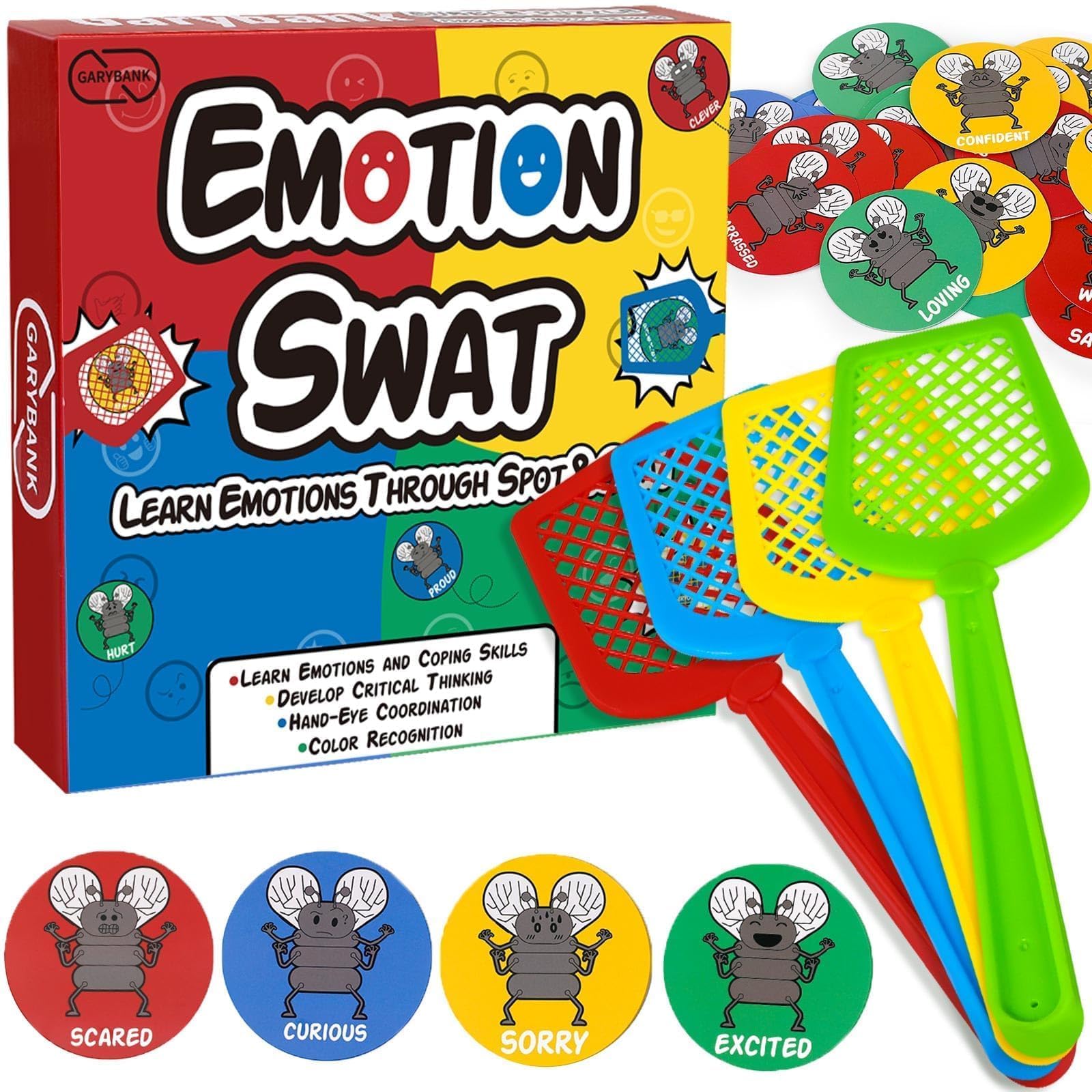
This game turns emotional learning into a lively activity where kids swat matching flies as emotions are called out. It’s not just about speed but also helps kids get to know their feelings better, connecting real faces to emotion words. Perfect for therapy sessions, classroom play, or family time, it keeps things light while working on emotional vocabulary, regulation, and hand-eye coordination.
Plus, it’s compact enough to grab for holiday gatherings or quiet afternoons, making it a nice go-to for boosting social skills with a twist of fun.
Most folks appreciate how the game transforms sometimes tricky topics like emotions into something kids want to dive into. The interactive swatting keeps kids engaged and makes recognizing feelings less intimidating.
Reviewers point out the helpful emotion descriptions and find the game versatile for both therapy and home learning. A few mention the storage could be better, but overall the educational value combined with fun play earns it solid marks for durability and ease of use.
| Situation | How It Helps |
|---|---|
| Therapists’ Sessions | Engages kids actively while encouraging emotional vocabulary and regulation skills. |
| School Group Activities | Fits well into social skills curricula, supporting teamwork and emotional learning. |
| Family Fun Time | Gives a fresh spin on family games by mixing emotion talk with play. |
| Holiday Gifting | A thoughtful present that combines learning and entertainment for neurodiverse kids. |
Kids get hands-on practice identifying emotions and understanding their meanings through visual cues and matching activities. The included explanations offer practical coping strategies that make the game a real emotional toolkit, supporting self-regulation and social awareness as skills grow.
The swatting mechanic offers a satisfying, active way to play that keeps kids moving and laughing. With colorful cards and quick-paced rounds, it stays engaging, even for those who might usually shy away from talking about feelings in a serious way.
Current Price: $23.99
Rating: 4.6 (total: 32+)
Connect More puts an interesting twist on the classic 4-in-a-row game, turning it into a tool for real conversation and connection. It’s designed for 2 to 6 players, so it’s perfect whether you’re hanging out with the family or playing in a small group setting.
The best part is how it encourages everyone to share thoughts and feelings in a super casual way, making those social skills moments feel less like work and more like fun talk time. Whether you’re a parent, teacher, or therapist, this game fits smoothly into daily hangouts or special occasions, especially around the holidays when everyone’s together.
People often mention how Connect More helps break the ice and makes tough conversations easier, especially for kids who might find social situations challenging. Many appreciate the variety of questions that invite players to open up at their own pace.
Reviewers also highlight its adaptability for different ages and settings, saying it’s a natural way to build confidence and strengthen relationships without feeling forced. The game’s simplicity and inclusive vibe are commonly praised too.
| Situation | How It Helps |
|---|---|
| Therapy Sessions | Creates a comfortable environment to explore feelings and improve communication skills. |
| Classroom Groups | Promotes teamwork and social curiosity among classmates through engaging questions. |
| Family Gatherings | Turns casual hangouts into chances for deeper connection and understanding. |
| Holiday Gifts | Encourages thoughtful interaction, making it a meaningful present for neurodiverse kids. |
By mixing gameplay with open-ended questions, this game helps players practice social thinking, empathy, and emotional insight. It offers a gentle way to reflect on personal experiences while also learning about others, making social skills feel approachable rather than intimidating.
The familiar 4-in-a-row format keeps things light and competitive, while the question cards add a layer of discovery and surprises. It’s easy to jump into and keeps everyone engaged without pressure, which is key for making social learning feel like play.
Current Price: $35.00
Rating: 4.6 (total: 264+)
Who's Feeling What? is a clever little game that turns recognizing emotions into a playful challenge.
Designed for kids aged 3 and up, it invites them to match facial expressions on caller cards with feeling prompts, using colorful emoji tokens. It’s great for daily play or special times when you want to spark conversations about emotions without it feeling like a lesson. Whether you’re a parent, educator, or therapist, this game fits right into any setting where helping kids understand feelings matters—perfect for boosting social skills around the holidays or anytime.
Many parents and teachers love how this game turns tricky emotional topics into something kids actually want to engage with. Folks often mention the real-life faces and emoji tokens as a fun and relatable way for kids to connect with feelings.
The variety of callers and prompts keeps it interesting, and the activity guide helps adults feel confident using it. Some note it can be a bit confusing at first, but with a little guidance, it becomes a go-to for encouraging emotional vocabulary and understanding.
| Situation | How It Helps |
|---|---|
| Therapy Sessions | Offers a gentle, structured way to explore emotions and improve communication. |
| Family Playtime | Creates natural opportunities to chat about feelings during relaxed hangouts. |
| Classroom Activities | Engages groups in empathy-building while keeping lessons interactive and fun. |
| Holiday Gift | Makes a thoughtful present that encourages emotional awareness and social skills. |
This game gently guides kids through recognizing facial cues and connecting them to emotions, strengthening their social-emotional literacy. It promotes understanding of self and others, which is essential for building friendships and navigating social settings.
Matching emojis to faces adds a tactile and visual twist that keeps kids curious and involved. The mix-and-match set-up means each game feels fresh, making emotional learning feel more like play than work.
Current Price: $19.06
Rating: 4.5 (total: 353+)
eeBoo’s Tea Party Spinner Game is such a charming way to encourage young children to develop patience and social skills. Spread out the colorful fabric tablecloth, spin the teapot to pick your teatime treat — whether it’s sandwiches, desserts, or a splash of cream — and race to collect one of each type.
It’s a simple game that fits perfectly into casual play or a special treat during holiday gatherings. Plus, the sturdy cardboard pieces and eco-friendly inks make it feel like a gift you can feel good about.
Whether you’re playing with siblings, friends, or adults, it gently nudges little ones to take turns and engage with others in a fun setting.
Parents and caregivers often say this game is a hit with young children because it’s easy to understand and keeps them engaged. Many appreciate its focus on manners and social skills without feeling like a chore.
The quality of the pieces and the fabric tablecloth get special mentions, as does the game’s ability to hold kids’ attention with its colorful, interactive setup. While simple, it’s praised for sparking conversations and fun role-play that feels just right for little players.
| Situation | How It Helps |
|---|---|
| Family Game Nights | Keeps young kids involved with quick turns and charming themes everyone can enjoy. |
| Holiday Gatherings | Creates a lovely, screen-free activity that brings children and adults together. |
| Therapy or Learning Settings | Supports practicing patience and social skills in a lighthearted, engaging format. |
| Playdates | Encourages sharing, cooperation, and friendly competition among little ones. |
This game naturally introduces kids to social skills like waiting their turn, practicing patience, and polite interaction. It also builds early reasoning as they strategize which item to collect next. The hands-on play with colorful, tangible pieces helps make abstract concepts like patience more understandable for little minds.
Between spinning the teapot and choosing among fun tea party goodies, children stay engaged and excited throughout. The vibrant artwork and real fabric tablecloth make it feel special, while the quick rounds keep things moving so boredom never sets in.
Current Price: $21.98
Rating: 4.7 (total: 894+)
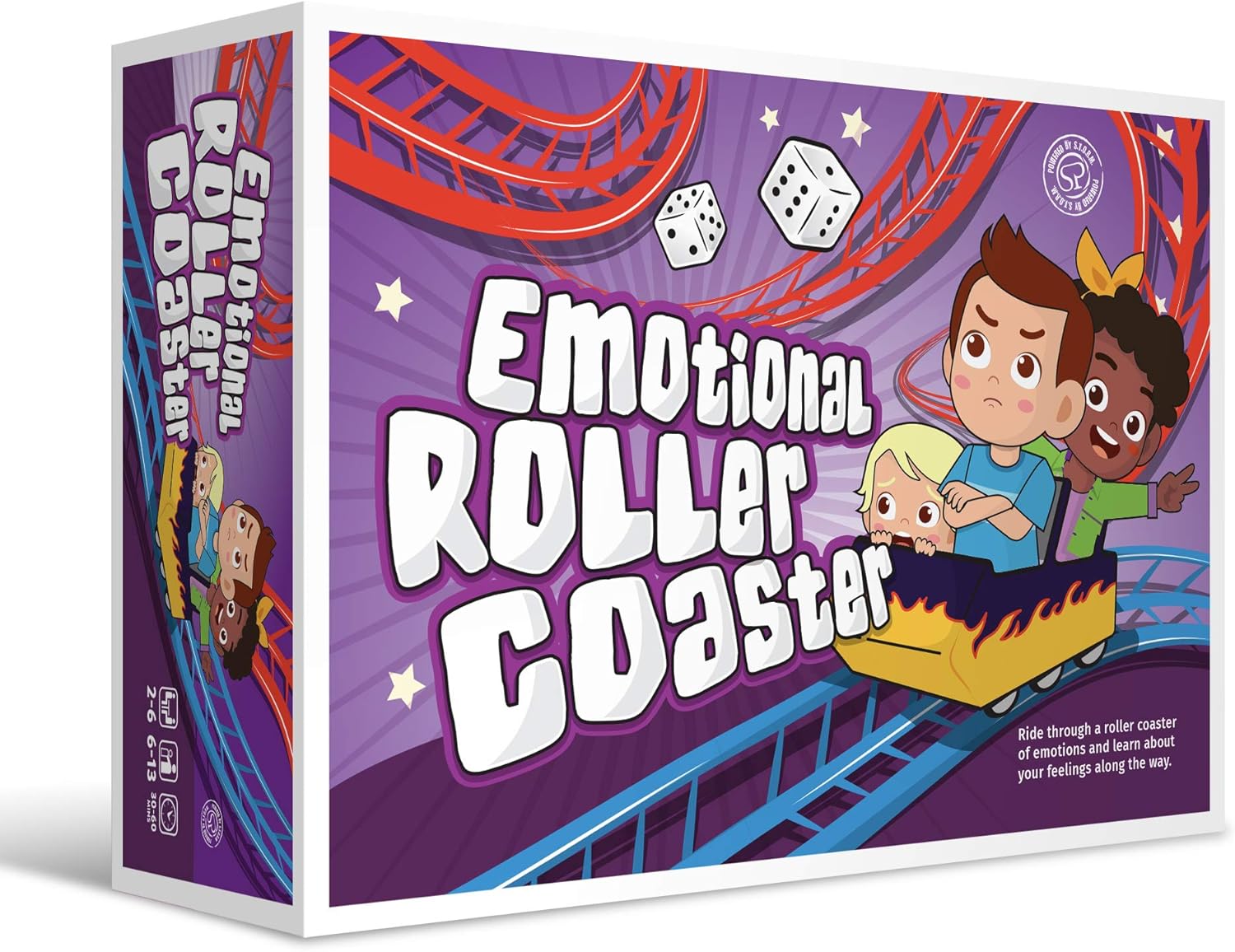
Emotional Rollercoaster is a thoughtful game designed to help kids aged 4 to 12 navigate big feelings like anger in a supportive and engaging way. The game plays out much like classic board games but adds in mindful breathing exercises and coping strategies to help children learn how to calm down and express what they’re feeling. It works well for family game nights, classroom activities, or even therapy sessions, making it a versatile addition to any kid’s collection.
If you’re looking for a playful way to open up conversations about emotions this holiday season, this game fits the bill without feeling like a lesson.
People really appreciate how this game helps kids speak about their emotions in a natural and approachable way. Many mention that it sparks meaningful conversations and gives children practical tools to manage anger and frustration.
Parents and educators like how it blends learning with play, and its clear instructions make it easy to use with kids of different ages. Some note the high engagement level and how it even works well with more reserved children.
| Situation | How It Helps |
|---|---|
| Family Time | Creates a relaxed space for kids to share feelings and practice calming techniques together. |
| Therapy Sessions | Serves as a hands-on tool to guide emotional regulation discussions in a safe environment. |
| Classroom Activities | Supports social emotional learning with an interactive game that engages groups of kids. |
| Playdates | Encourages cooperation and empathy by practicing coping skills through collaborative play. |
This game goes beyond just fun by providing kids with concrete strategies to recognize, understand, and manage their emotions. By incorporating mindfulness and a variety of coping mechanisms, it helps build emotional intelligence and self-regulation skills vital for social interactions and personal growth.
Kids find the familiar board game format welcoming, and the colorful cards and scenarios keep things interesting. Moving around the board while encountering emotion-based challenges adds a playful twist that helps learning feel natural and engaging rather than like a lesson.
Current Price: $39.95
Rating: 4.5 (total: 704+)
Pancake Pile-Up is one of those games that really gets kids moving. It’s perfect for little ones aged 4 and up who enjoy a bit of friendly competition mixed with imaginative play.
Basically, kids pick an order card, race across the room to grab the matching pancakes with a spatula, and stack them on their plate before passing the turn. It’s active, silly, and surprisingly good practice for hand-eye coordination, sequencing, and turn-taking.
Whether it’s a family game night, a classroom activity, or holiday party fun, it’s a lighthearted way to encourage social skills without the screen time.
Most folks love how Pancake Pile-Up keeps kids physically engaged while teaching important social skills like sharing and working together. Parents and teachers often mention that it's easy to understand and quick to set up, which makes it a go-to for both short bursts of play and longer sessions.
The realistic pancake shapes and relay-style action get even the wiggliest kids involved, and many highlight how it sparks playful teamwork and lots of laughter.
| Situation | How It Helps |
|---|---|
| Family Gatherings | Brings everyone together for a fun, active game that encourages teamwork and friendly competition. |
| Preschool Classrooms | Helps young learners develop sequencing skills and practice following directions in a lively way. |
| Birthday Parties | Offers an energetic group activity that gets kids moving and cooperating easily. |
| Holiday Gifts | Provides a screen-free, playful option that supports social growth and motor skills during festive downtime. |
This game cleverly combines physical activity with cognitive skills like sequencing and pattern recognition. It also encourages kids to wait their turn, follow rules, and communicate, which are key social skills. By moving around and cooperating, children develop balance, coordination, and the ability to work as part of a team all while having fun.
Kids get a kick out of the relay race style—zipping back and forth trying to snag the right pancake with the spatula. The colorful, tactile pancake pieces make the stacking satisfying, and there’s something about the silly idea of racing with pancakes that keeps their attention and brings out giggles.
Current Price: $12.49
Rating: 4.7 (total: 4097+)
These Who What Why Conversation Cards are a really thoughtful way to get kids talking about what they see, feel, and think through fun, everyday situations. Perfect for kids 4 and older, they use cute animal characters in scenes that feel familiar, which makes it easier for children to open up and share. Whether you’re a parent, teacher, or therapist, these cards bring some gentle guidance to practicing social skills and empathy. They’re great for casual chats at home, classroom activities, or even speech therapy sessions, helping kids connect what they see with how they feel and respond.
Parents and educators often mention how these cards spark real conversations that kids actually want to join. The mix of relatable scenes and clear questions helps kids think about others’ feelings and practice explaining their thoughts.
Many point out the quality and durability of the cards, plus how easy they are to use without needing a lot of prep. Overall, people appreciate how this game blends fun with learning and makes social skills practice less like a chore.
| Situation | How It Helps |
|---|---|
| Speech Therapy Sessions | Gives therapists an engaging tool to encourage kids to express emotions and practice conversation skills. |
| Family Time | Creates opportunities for open, easy chats that promote empathy and understanding among siblings and parents. |
| Classroom Activities | Supports group discussions that involve observation, reasoning, and turn-taking in a stress-free way. |
| Holiday Gift | Makes a thoughtful present that offers both educational value and screen-free fun during the festive season. |
The cards build social and emotional intelligence by encouraging kids to notice details, recognize feelings, and think critically about everyday situations. They also support language development with open-ended questions that stretch vocabulary and confidence in speaking.
This makes it a handy resource for helping neurodiverse children sharpen communication and empathy skills in a natural, playful way.
Kids enjoy the charming animal illustrations and the challenge of figuring out what’s happening in each picture. The questions aren’t just yes or no, so it keeps things interesting and gets kids curious to share their own ideas.
It’s easy to turn these cards into games or storytelling moments, which helps keep the mood light and engaging.
Current Price: $16.99
Rating: 4.8 (total: 182+)
SUSSED is one of those games that instantly lightens the mood and gets everyone chatting, which is exactly what you want when you’re encouraging social skills. It’s packed with hilarious ‘what would you do?’ style questions that kids actually want to answer, making it less like a lesson and more like hanging out.
Whether you’re on a road trip, at a sleepover, or just winding down after school, it’s a great way to get neurodiverse kids to open up, practice perspective-taking, and connect in a fun, pressure-free way. The fact that it’s travel-friendly and quick to set up means you can bring it out anytime you spot the chance for some quality social time.
Folks love how easy it is to use SUSSED as a conversation starter rather than just a game, helping kids express themselves naturally. Reviews often highlight how it encourages kids to think about others’ feelings and share their own without feeling put on the spot.
The humor and quirky questions make it approachable for a wide range of ages and personalities, and many parents appreciate how it’s sparked unexpectedly deep talks during casual family time or car rides. The only small hiccup some mention is the packaging, but most find a handy fix for that.
| Situation | How It Helps |
|---|---|
| Car Trips | Turns long drives into fun, meaningful chats that keep kids engaged and connected. |
| Family Game Night | Breaks the ice and keeps the focus on sharing thoughts and laughter together without pressure. |
| Sleepovers & Playdates | Gently encourages social interaction with silly, unexpected questions that spark conversations. |
| Holiday Gift | Perfect for gifting during Christmas as a screen-free, easy-to-learn game that everyone can enjoy. |
The game gently promotes social-emotional learning by encouraging kids to consider different viewpoints, explain their feelings, and think creatively. It supports language development through open-ended responses and makes practicing social skills feel less like work and more like playing with friends. This kind of natural, conversational practice can be especially helpful for neurodiverse children who benefit from repeated, low-pressure social interaction.
The questions are downright goofy and unexpected, which keeps kids curious and eager to hear what each other might say next. It’s less about winning and more about discovering funny, weird, or surprising ideas from people you care about.
Plus, the quick pace and flexible ways to play mean it doesn’t drag and suits all kinds of energy levels and moods.
Current Price: $12.98
Rating: 4.6 (total: 6038+)
Board games such as CHILL Anger Management and Don't Have a Cow are designed with social-emotional learning in mind, making them excellent tools for neurodiverse children. These games engage kids in practicing emotional regulation, perspective-taking, and communication in a natural and enjoyable way.
By incorporating familiar and playful elements, they lower resistance to learning these often challenging skills. Using these games during the holiday season provides a relaxed setting where kids can explore coping strategies, flexible thinking, and social problem-solving through fun interactions with family or therapists.
The structured prompts and supportive gameplay create opportunities for meaningful conversations without pressure, helping children build self-awareness and strengthen relationships.
When selecting board games to support social skills in neurodiverse children, it’s important to look for games that are age-appropriate and adaptable to your child’s needs and abilities. Consider the recommended age ranges—games like CHILL suit ages 5 to 10, while others such as Emotional Rollercoaster are better for teens. Check the quality and durability of game pieces, especially if your child is energetic or sensory-sensitive. Look for games with clear instructions and components that encourage open-ended play or guided facilitation, so they can work well in both home and therapy settings.
Lastly, factor in your budget: engaging games range from around $12.49 to $39.95 USD, offering a good balance between educational value and cost. Buying games with positive reviews from therapists and parents can increase your confidence that the game will be both fun and effective.
To get the most out of social skills board games, it’s best to create a supportive and distraction-free environment where the child feels comfortable. Start by reading the rules together and adapting the pace to your child’s attention span, possibly breaking the game into shorter sessions. Use the game prompts as conversation starters, encouraging the child to share personal experiences related to emotions and social situations without pressure. Adults or therapists facilitating the game can offer gentle guidance, reinforcing positive behaviors like turn-taking and empathy.
Incorporating these games regularly into family time or therapy sessions helps reinforce skills over time. Remember to celebrate progress and keep the experience fun, so social skill development feels like a natural and rewarding part of play.
Selecting the right board games can make a meaningful difference in nurturing your child’s social skills during this festive season. These games offer more than just fun; they serve as practical tools to build emotional awareness, foster communication, and encourage positive interactions.
Whether you are a parent, educator, or therapist, integrating these games into your time with neurodiverse kids can open doors to new learning and deeper connections. By investing in games that are both engaging and educational, you are empowering your child to develop confidence and skills that will benefit them beyond the holiday season.
| Product | Image | Rating | Manufacturer Recommended Age | Product Dimensions | Number of Pieces | Price |
|---|---|---|---|---|---|---|
| CHILL Anger Management for Kids |
 |
4.7/5 (24 reviews) | 5 years and up | 11.5 x 8 x 0.1 inches | N/A | $29.99 |
| Don't Have a Cow A CBT Therapy Game |
 |
4.7/5 (34 reviews) | 8 years and up | 18 x 18 x 0.1 inches | N/A | $30.99 |
| Garybank Emotions Swat Games for Kids |
 |
4.6/5 (32 reviews) | 5 months and up | 3.15"L x 3.15"W | 116 | $23.99 |
| Connect More - Social Skills Games |
 |
4.6/5 (264 reviews) | 8 years and up | 7 x 9.5 x 0.5 inches | N/A | $35.00 |
| Who's Feeling What? |
 |
4.5/5 (353 reviews) | 3 years and up | 10.5 x 1.5 x 7.75 inches | 49 | $19.06 |
| eeBoo: Tea Party Spinner Game |
 |
4.7/5 (894 reviews) | 3 years and up | 9.5 x 1.5 x 9.5 inches | N/A | $21.98 |
| Emotional Rollercoaster |
 |
4.5/5 (704 reviews) | 13 years and up | 9 x 6 x 1.75 inches | N/A | $39.95 |
| Educational Insights Pancake Pile-Up |
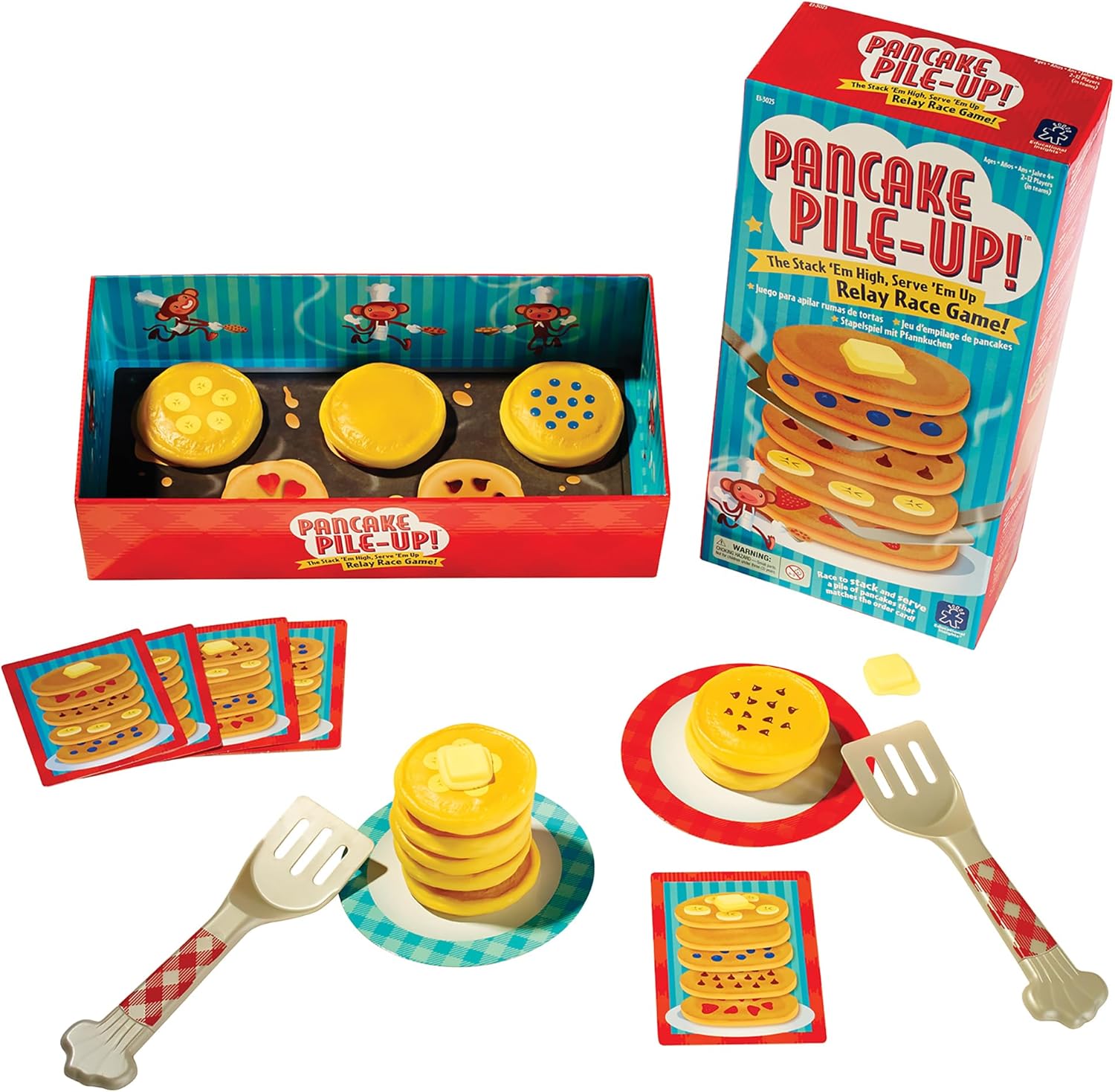 |
4.7/5 (4,097 reviews) | 4 - 7 years | 12 x 6 x 0.04 inches | N/A | $12.49 |
| Who What Why Conversation Cards |
 |
4.8/5 (182 reviews) | 4 years and up | 6.6 x 5 x 0.1 inches | N/A | $16.99 |
| SUSSED The Wacky ‘What Would You Do?’ |
 |
4.6/5 (6,038 reviews) | 7 years and up | 0.87 x 3.66 x 5.12 inches | N/A | $12.98 |
This Roundup is reader-supported. When you click through links we may earn a referral commission on qualifying purchases.