Neurodiverse kids often experience emotional exhaustion long before adults notice the signs. Many children with ADHD, Autism, and sensory issues spend large parts of their day trying to “fit in” socially, emotionally, and academically. This process is often called masking.
Masking happens when children hide behaviors, emotions, or struggles to appear more socially accepted. For example, a child may force eye contact, suppress stimming, copy others, or stay unusually quiet in social settings. At first, this may seem harmless. However, over time, it can become emotionally draining.
In recent years, researchers and Mental health experts have started discussing masking more openly. This is especially true for girls with Hyperactivity disorder and Autism because their symptoms are often less visible.
According to organizations like the Child Mind Institute and the National Institute of Mental Health, masking can affect confidence, stress levels, emotional regulation, and overall Child health. Because of this, many Neurodiverse children appear “fine” at school but feel overwhelmed once they return home.
Many Neurodiverse kids learn masking at a very young age. Often, they notice that certain behaviors receive negative reactions from others. As a result, they begin adjusting themselves to feel accepted.
Some children may hide sensory discomfort. Others may copy social behaviors they see around them. In some cases, children stay quiet simply to avoid attention. This can happen in classrooms, playgrounds, family gatherings, and even at home.
For children with Autism or Hyperactivity disorder, social situations may already feel exhausting. Therefore, constantly monitoring their behavior can increase stress even more.
In addition, many children fear being labeled as “difficult” or “different.” Because of this, they may ignore their own emotional needs. Over time, this pressure can affect both Mental health and emotional wellbeing.

Masking does not always look obvious. In fact, many children appear calm and well behaved on the outside while struggling internally. However, certain patterns may still appear over time. Some common signs include:
These signs are often misunderstood. Sometimes, adults only see the emotional release at home instead of the stress building throughout the day. Because of this, many Neurodiverse children are described as “overreacting” when they are actually emotionally overwhelmed.
Masking can affect both Mental health and Child health over time.
Children who constantly suppress emotions may begin feeling emotionally disconnected. In some cases, they struggle to understand their own needs because they spend so much energy trying to meet the expectations of others. This emotional pressure can also increase anxiety and burnout.
For children with sensory issues, daily environments may already feel overwhelming. Bright lights, loud sounds, crowded classrooms, or unexpected changes can create stress throughout the day. When children hide these reactions instead of expressing them safely, emotional exhaustion often grows quietly.
Research around Neurodiversity also shows that long term masking may affect self esteem. Some children begin believing they are only accepted when they hide parts of themselves. This is why understanding masking matters so much.
Children should not feel that they must constantly perform in order to belong.
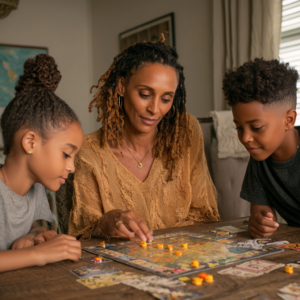
Parents and caregivers can support Neurodiverse kids by creating emotionally safe spaces. The goal is not to “fix” behaviors. Instead, it is to help children feel understood and accepted.
First, it helps to notice patterns. A child who seems calm at school but melts down at home may already be emotionally overloaded. In addition, open communication matters. Children should feel safe expressing discomfort without fear of judgment.
Small adjustments can also help. Quiet breaks, sensory friendly environments, and emotional reassurance often reduce pressure significantly.
At the same time, it is important to avoid forcing children to behave “normally” at the cost of their wellbeing. Every child experiences Neurodiversity differently. Some may need more space. Others may need emotional support or structured routines.
With patience and understanding, children can feel safer being themselves instead of constantly masking who they are. In many ways, support begins when adults stop asking children to hide their differences just to feel accepted.